
Exploring Polymatica Applications: Unlocking Versatility in Polymer Solutions

When it comes to advancing manufacturing and recycling industries, finding materials that are both innovative and sustainable is key. That’s where polymatica comes into play. This cutting-edge polymer technology offers a range of applications that can transform how industries operate, especially in Quebec and Canada. Today, I want to walk you through the versatility of polymatica applications and how they can help your business thrive in a circular economy.
Understanding Polymatica Applications in Manufacturing and Recycling
Polymatica applications are designed to meet the growing demand for sustainable and high-performance plastic materials. Whether you’re involved in manufacturing or recycling, these polymers provide solutions that are both eco-friendly and efficient.
For example, in manufacturing, polymatica materials can replace traditional plastics with options that are easier to recycle and have a lower environmental footprint. This means you can produce durable goods without compromising on sustainability. In recycling, polymatica polymers can improve the quality of recycled plastics, making them more suitable for reuse in various products.
Here are some practical benefits of polymatica applications:
Enhanced durability: Polymatica polymers withstand wear and tear better than many conventional plastics.
Improved recyclability: These materials are designed to be recycled multiple times without losing quality.
Reduced environmental impact: Using polymatica helps lower carbon emissions and waste in production processes.
By integrating polymatica into your operations, you’re not just adopting a new material—you’re embracing a smarter, greener way to manufacture and recycle.
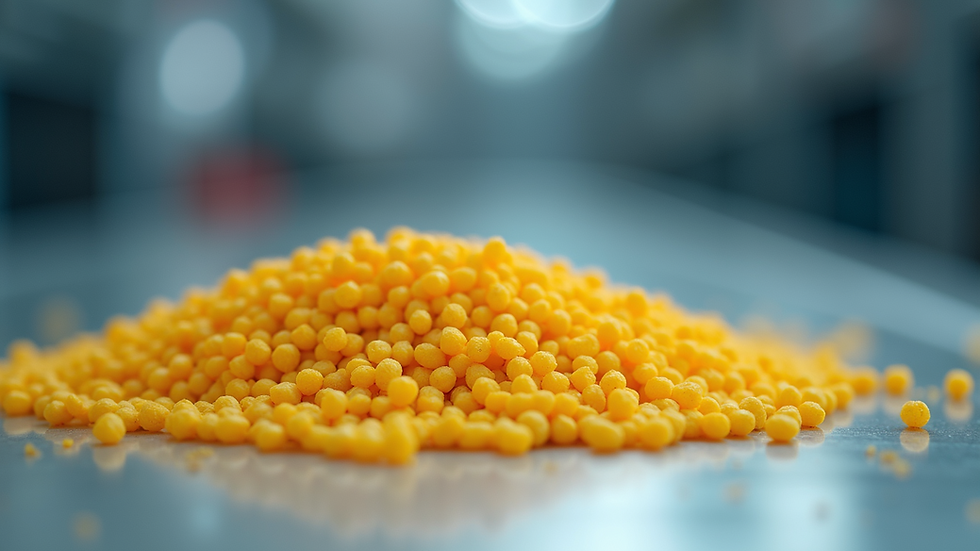
How Polymatica Supports a Circular Economy
A circular economy focuses on minimizing waste and making the most of resources. Polymatica applications align perfectly with this goal by enabling materials to be reused and recycled efficiently.
Think about the typical lifecycle of plastic products. Often, they end up in landfills or oceans, causing environmental harm. Polymatica changes this narrative by offering polymers that can be recycled repeatedly without degrading. This means fewer raw materials are needed, and less waste is generated.
In practice, this could look like:
Manufacturing products with polymatica polymers.
Collecting used products for recycling.
Processing the materials to create new polymatica-based products.
This loop reduces reliance on virgin plastics and supports sustainable growth in industries. If you’re looking to future-proof your business, adopting polymatica applications is a smart step toward sustainability.

Is polymyalgia a serious condition?
While this blog focuses on polymer technology, it’s worth clarifying that polymyalgia is a medical condition unrelated to polymatica or polymer applications. Polymyalgia rheumatica is an inflammatory disorder causing muscle pain and stiffness, primarily in older adults. It’s important not to confuse the two terms, especially when discussing industrial materials and health topics.
Practical Tips for Implementing Polymatica in Your Operations
If you’re considering integrating polymatica applications into your manufacturing or recycling processes, here are some actionable recommendations:
Assess your current materials: Identify which plastics in your production line can be replaced with polymatica polymers.
Collaborate with suppliers: Work closely with polymatica providers to understand the best materials for your specific needs.
Train your team: Ensure your staff understands the handling and processing requirements of polymatica polymers.
Invest in recycling infrastructure: Upgrade or adapt your recycling systems to maximize the benefits of polymatica’s recyclability.
Monitor performance: Track product durability and environmental impact to measure improvements.
By following these steps, you can smoothly transition to using polymatica materials and enjoy the benefits of innovation and sustainability.
Looking Ahead: The Future of Polymatica in Quebec and Canada
The potential of polymatica applications extends far beyond current uses. As industries in Quebec and Canada push toward greener practices, polymatica is positioned to become a cornerstone of sustainable manufacturing and recycling.
Imagine a future where plastic waste is drastically reduced, and products are designed with their entire lifecycle in mind. Polymatica can help make this vision a reality by providing materials that support circular economy principles without sacrificing performance.
If you want to stay ahead in your industry, exploring polymatica solutions is a wise investment. It’s not just about meeting regulations or trends—it’s about building a resilient, responsible business that benefits both the environment and your bottom line.
By embracing polymatica, you’re taking a meaningful step toward innovation and sustainability. Ready to learn more? Dive deeper into how polymatica can transform your manufacturing and recycling processes today.


Comments